A fence is mostly holes in the ground. What you see is the part that gets chosen; what decides whether it is still straight in five years is the part that gets buried.
What we install
- Vinyl — privacy panels and ranch rail. No painting, no rot, and it looks the same in year ten as year one.
- Wood — privacy, picket and shadowbox. Cheaper up front, warmer looking, and it will want attention over time.
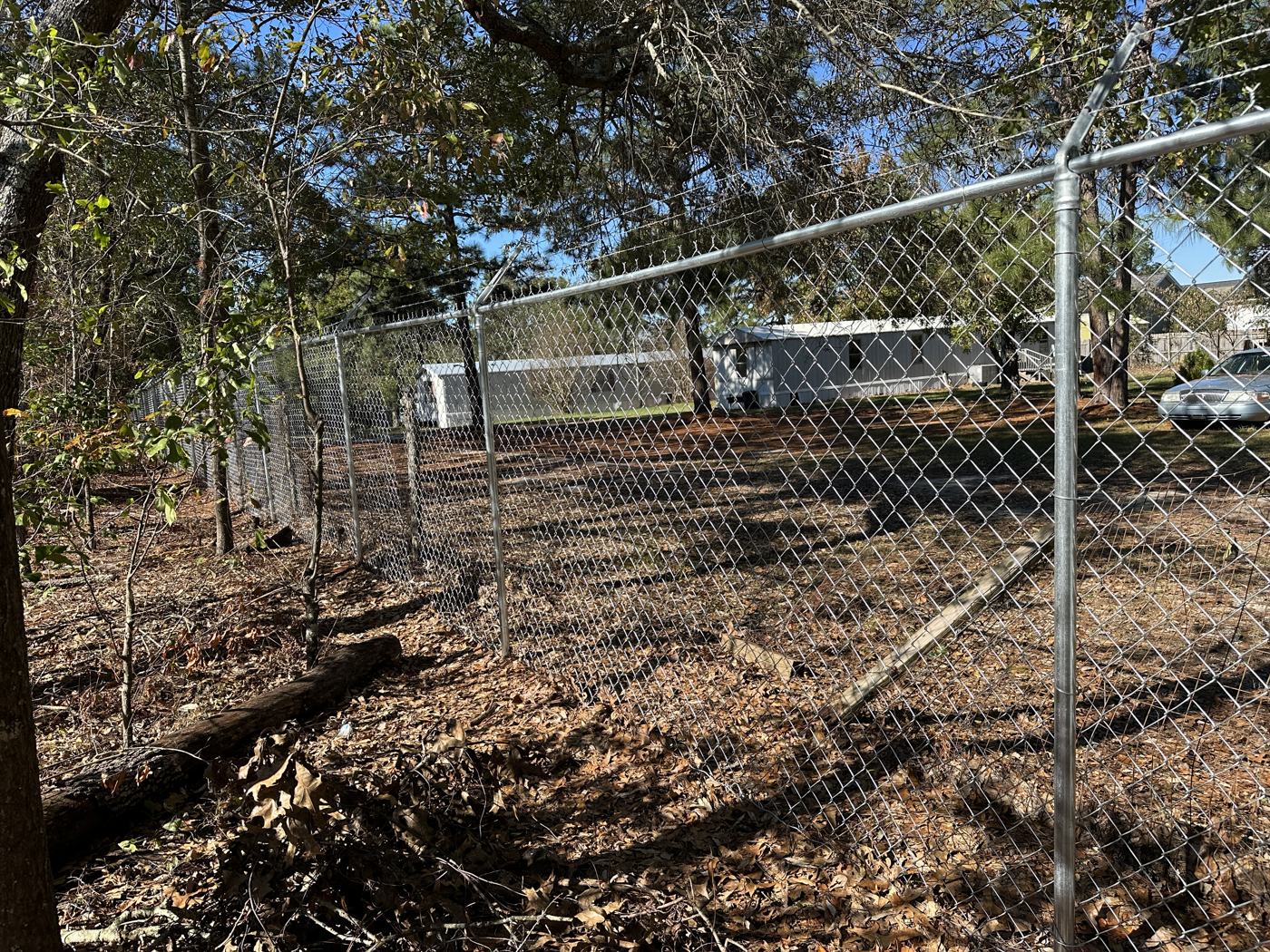
- Chain link — galvanised or black vinyl coated. Hard to beat for keeping a dog in or a yard secure without blocking light.
- Ranch rail — two, three and four rail, for frontage and paddocks.
Gates included — walk gates, double gates and drive gates sized to what actually has to get through them.
Posts, and why they are the whole job
Nearly every failed fence failed at the post. Set too shallow, set in dirt instead of concrete, or set in ground that holds water, and the fence leans regardless of what is bolted to it.
Posts get dug to depth, set in concrete, and given time before anything is hung on them. Corner and gate posts take the most load and get treated accordingly — a gate post that moves turns a gate into a permanent irritation.
Before we dig
Two things need settling before a fence goes in, and both are easier before than after.
Utilities. South Carolina 811 is a free call and it is the law. Nobody digs on your property until lines are located.
The property line. A fence built a foot over is a neighbor problem that lasts as long as the fence. If the line is unclear, it is worth resolving first — and some HOAs and municipalities have their own rules about height, material and setback that are worth checking before you buy anything.
We live here
Precision Palmetto is based in Columbia. Our license is South Carolina, our number is an 803 number, and when you call it in three years somebody will answer. If we get something wrong, we are still here to put it right — which is a stronger guarantee than anything we could print on this page.
Our fencing work in the Midlands
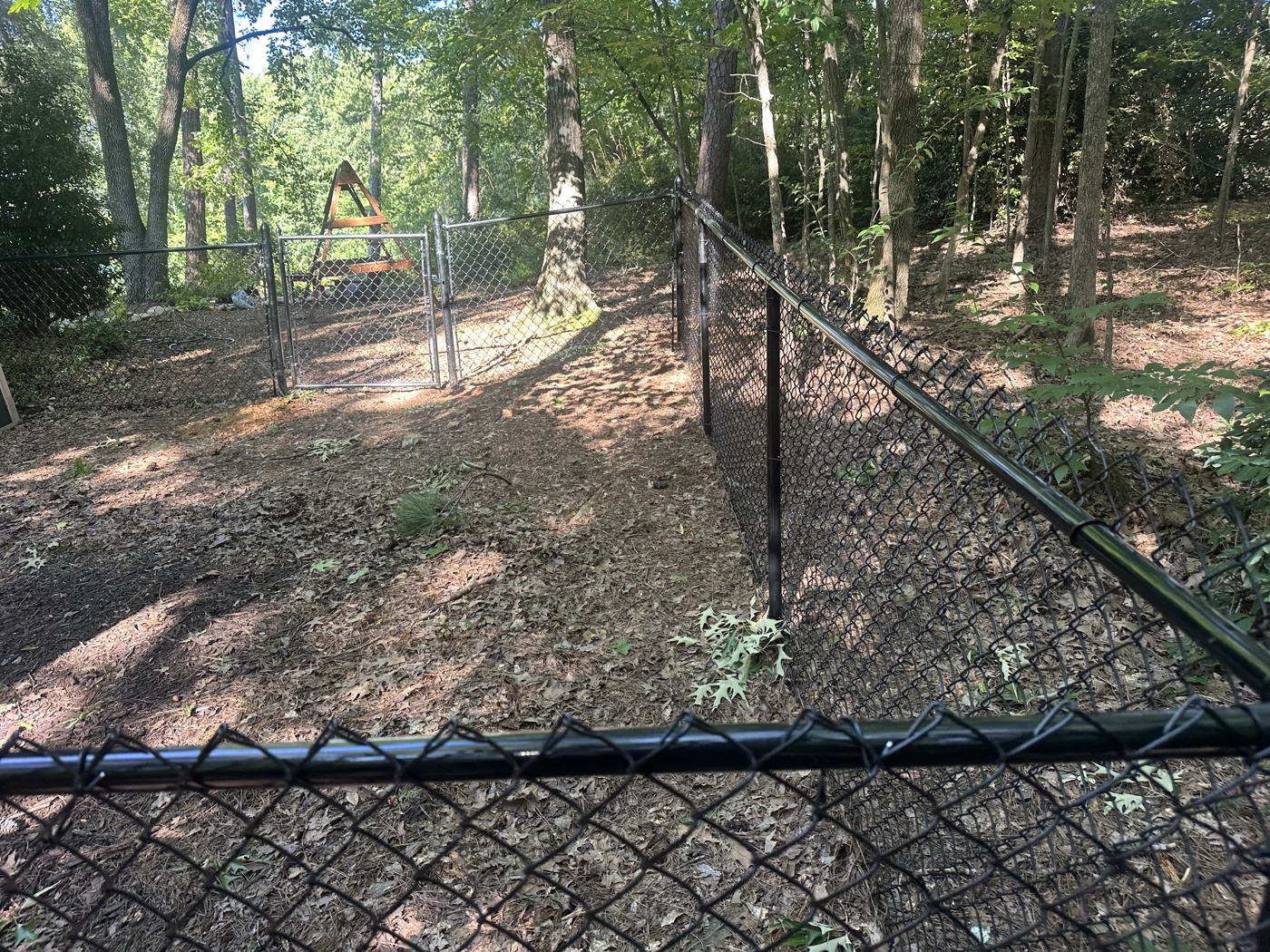
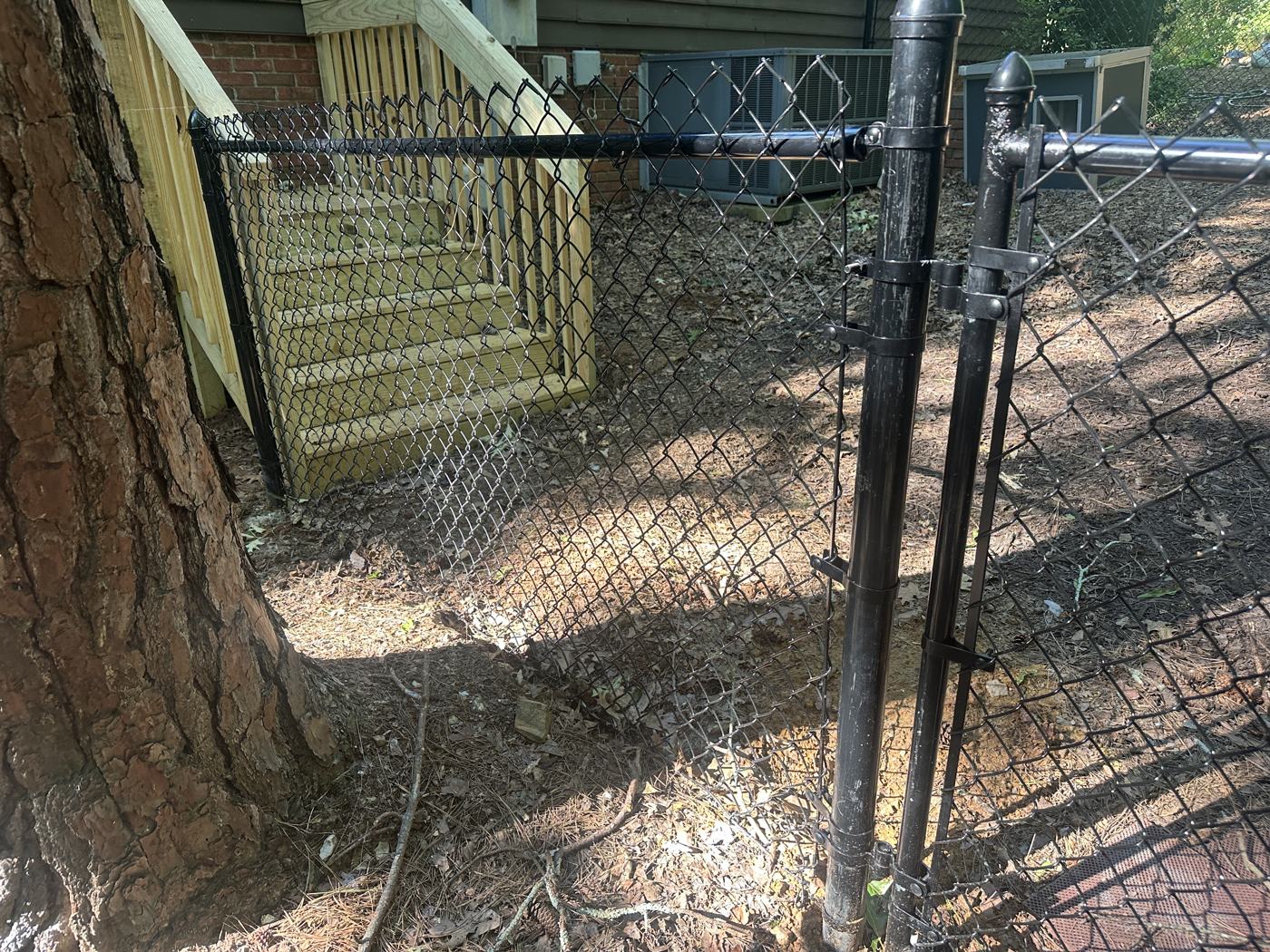
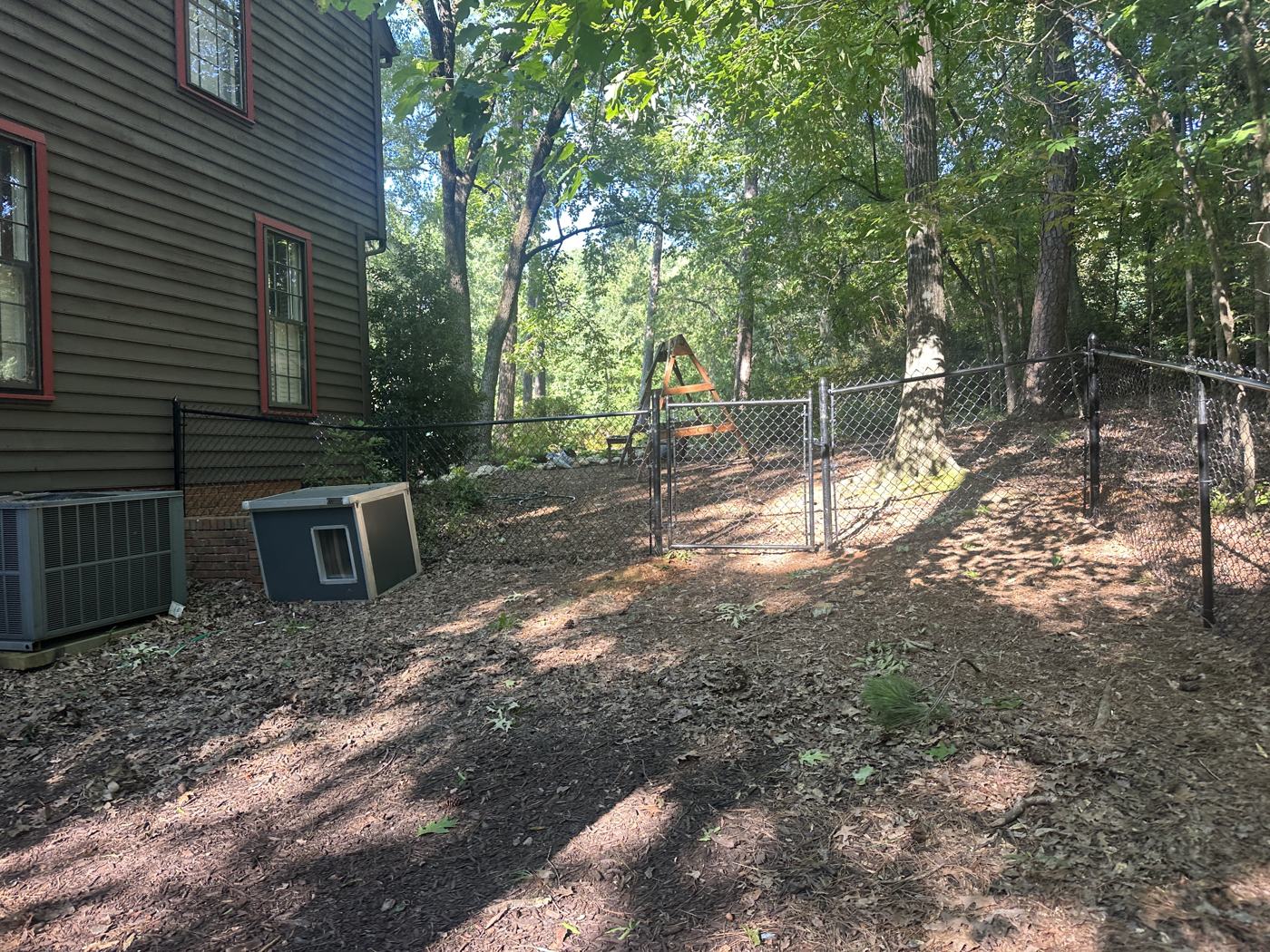
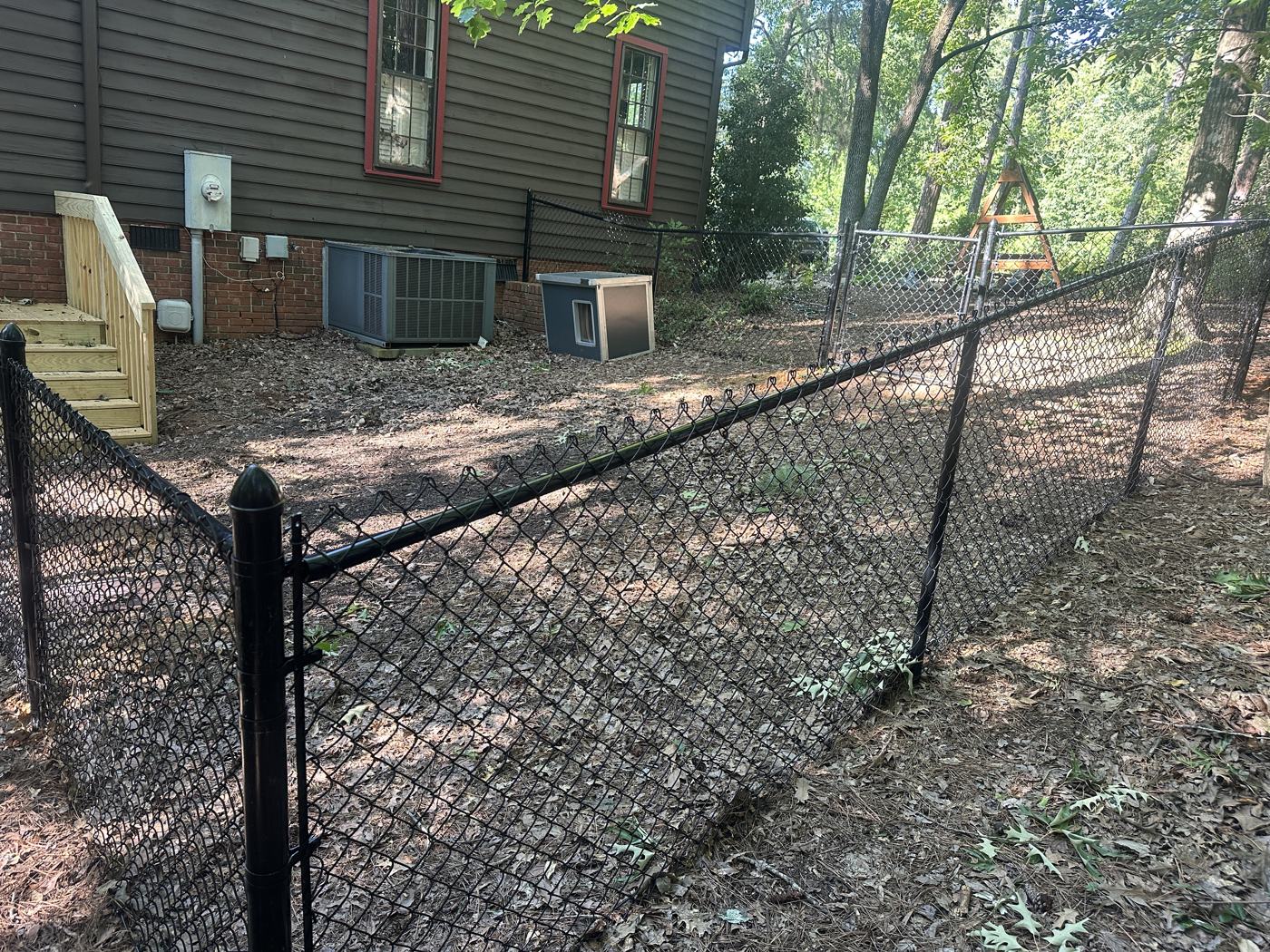
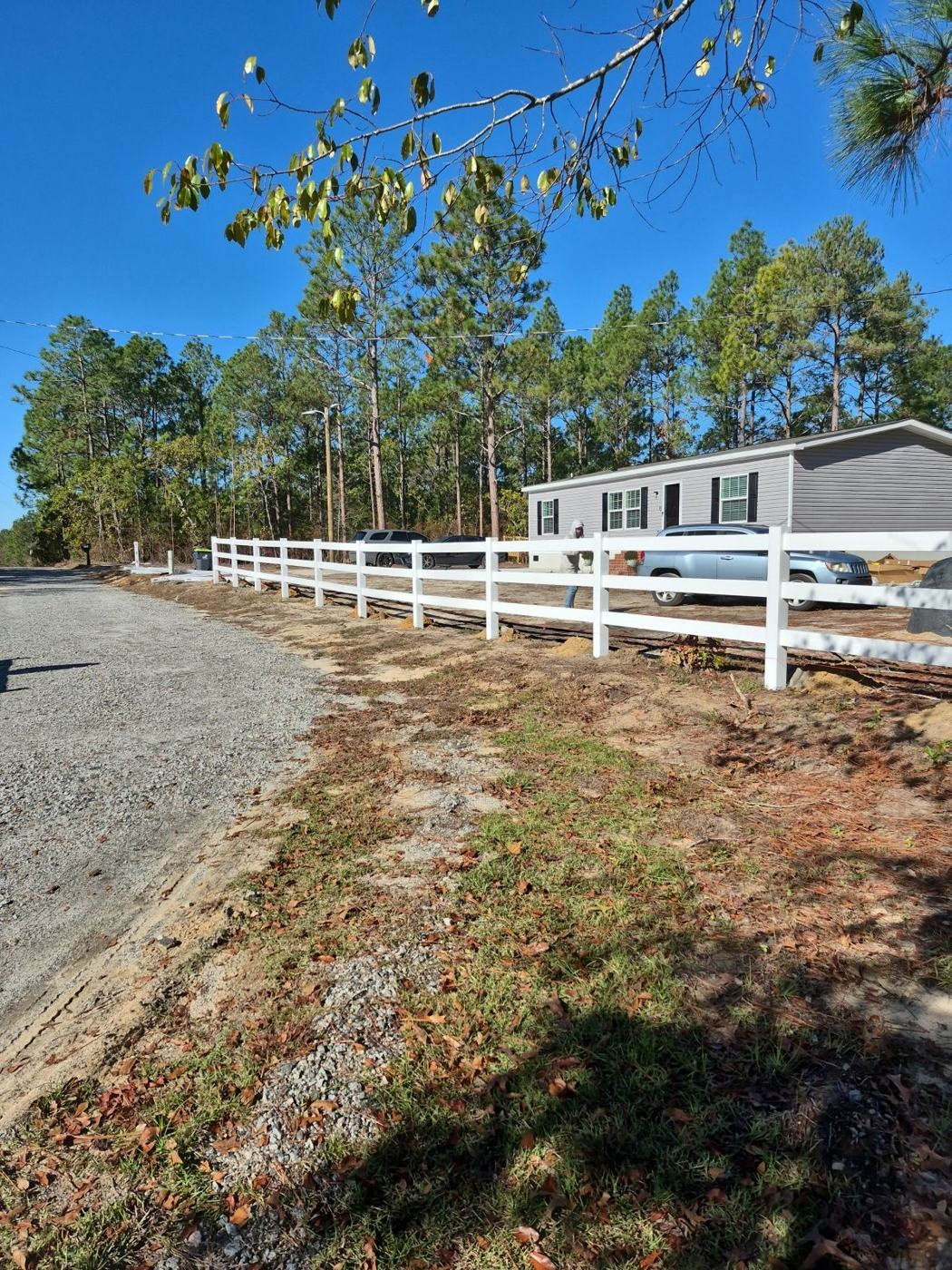
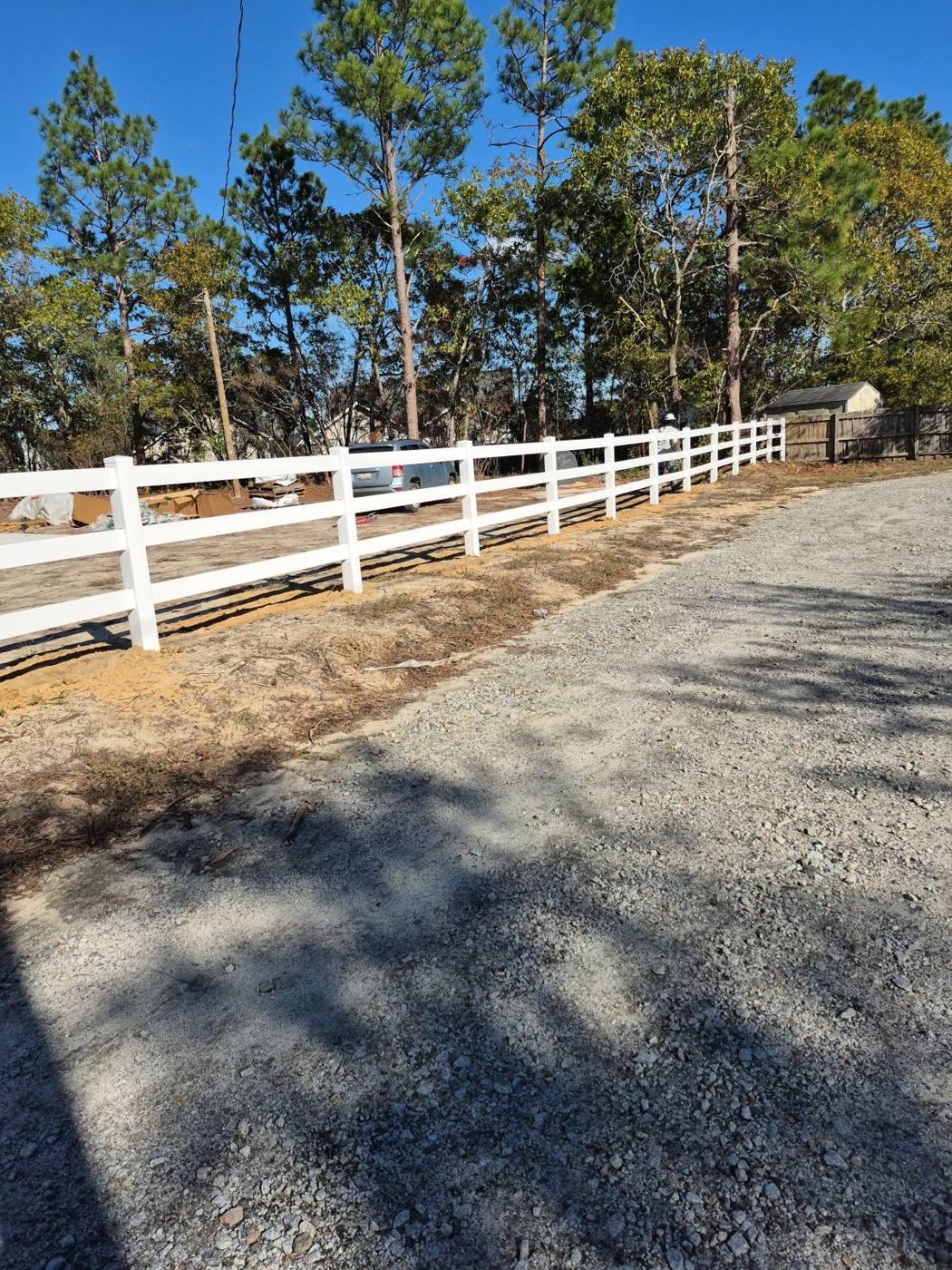
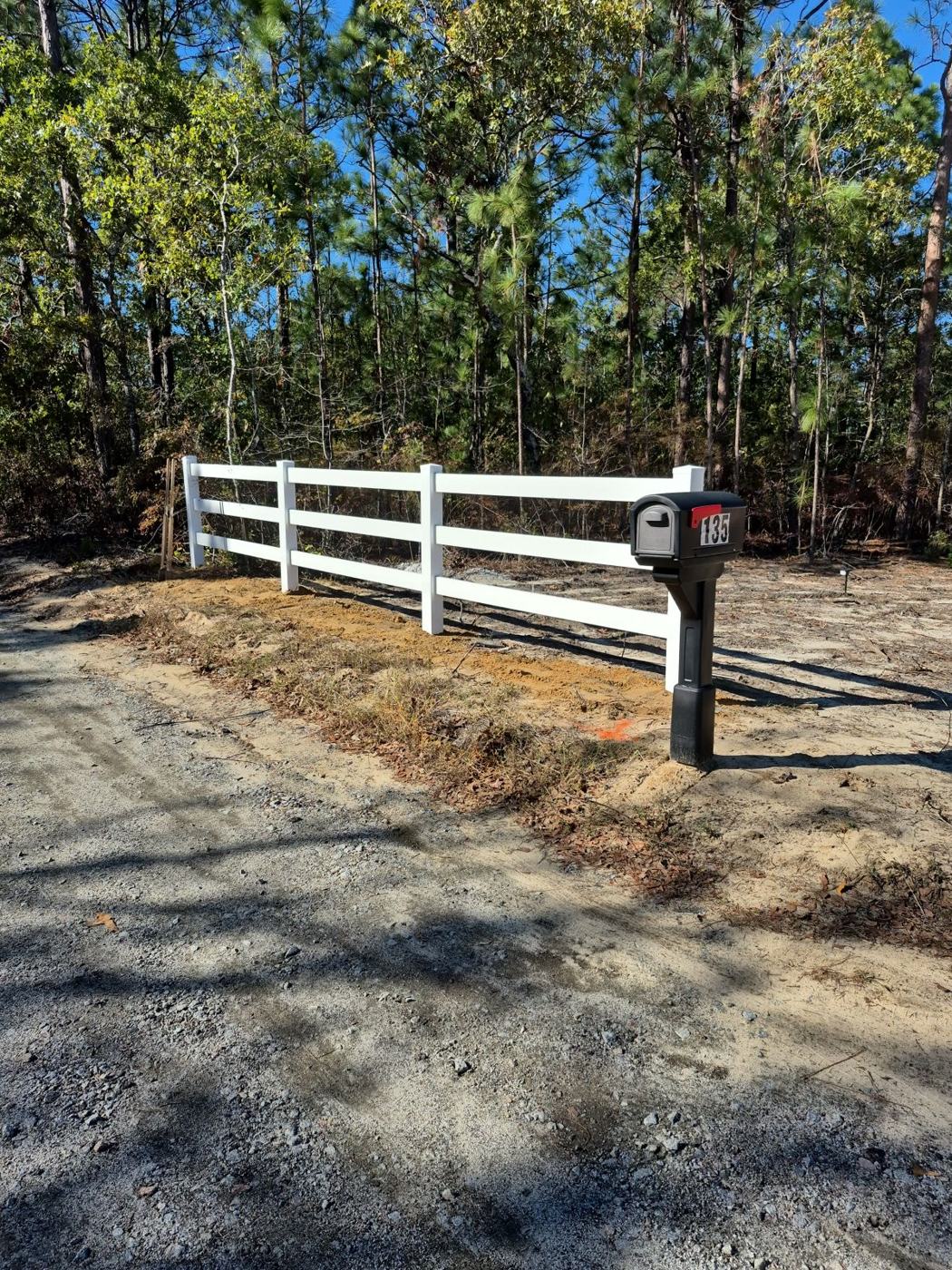
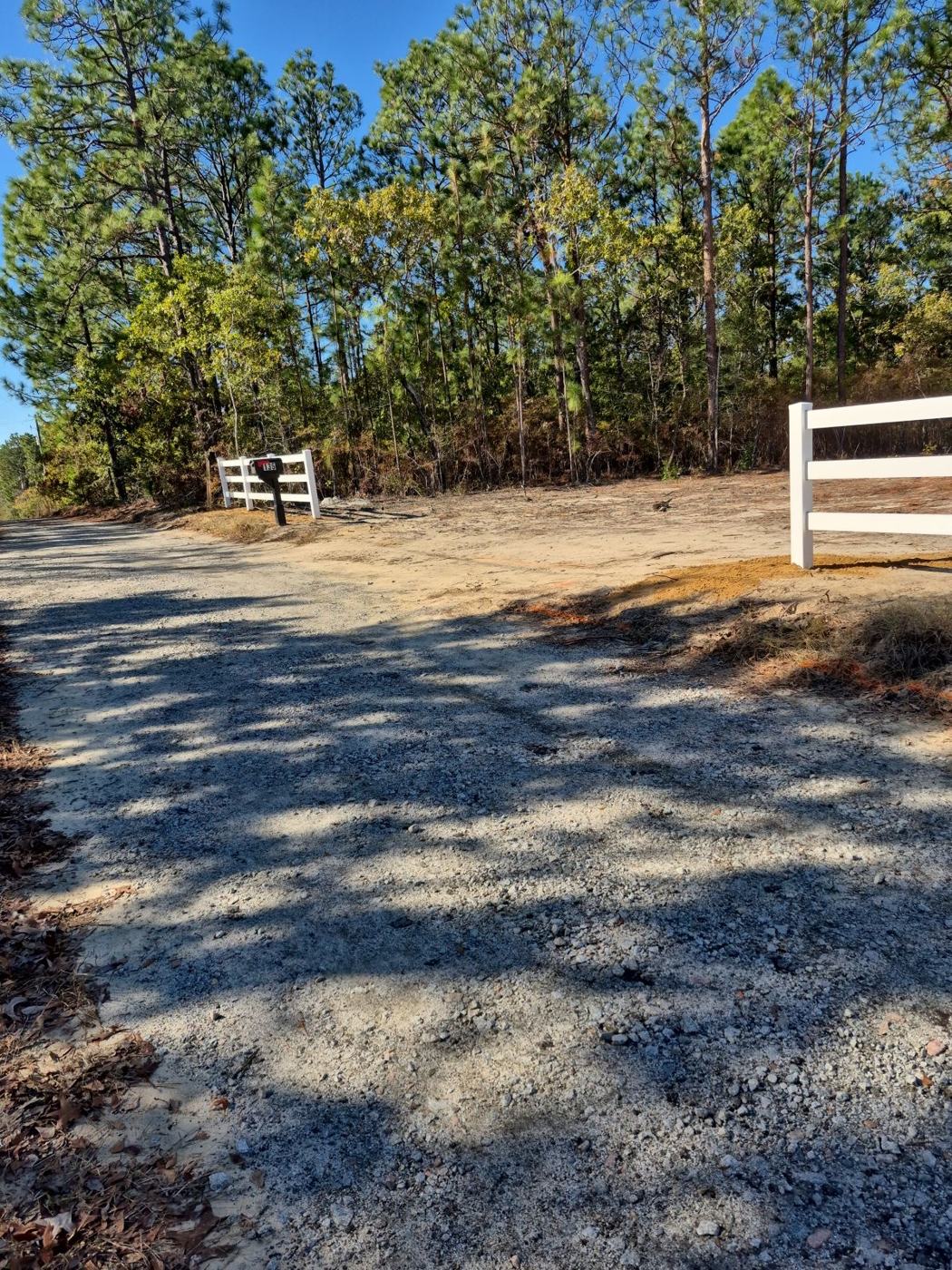
See work from all six trades →
Common questions
How much does a fence cost in Columbia?
Fencing is priced by the linear foot and the material sits at very different points — chain link, wood and vinyl are not close to each other. Gates, corners and slope all add. We measure the run and quote it in writing.
How long does a fence take to install?
Most residential fences go in over a few days. Posts are set first and given time to cure before panels or rails go on, so the job is usually spread across more than one visit.
Do I need a permit for a fence in South Carolina?
It depends on your municipality and your HOA. In South Carolina a fence under seven feet does not require a specialty contractor license, but local height, setback and material rules still apply. Worth checking before ordering.
Can you build on a slope?
Yes. Fences on grade are either racked, so the panels follow the slope, or stepped, so they descend in level sections. Which one looks right depends on the material and how steep it is.
Will you take away my old fence?
Yes — removal and haul-off can be included. Old posts set in concrete are the slow part, so it is worth telling us what is there when you ask for a price.
Want a straight number?
We will come out, look at the job properly, and put a price in writing — including if the answer is that it does not need doing yet.
Call (803) 258-0842Also from us: Roofing · Siding · Gutters · Concrete · Masonry
Based in Columbia, working across South Carolina. The Midlands is
home — Columbia, Lexington, Irmo, Cayce, West Columbia, Forest Acres, Blythewood, Chapin, Elgin, Gaston and Hopkins — and we take work throughout the Lowcountry and Upstate as
well. If you are not sure whether we come out your way, call and ask.