Masonry is the slowest trade on any house and the one that lasts longest. Done properly it outlives everything around it. Done badly it is very hard to hide.
What we build
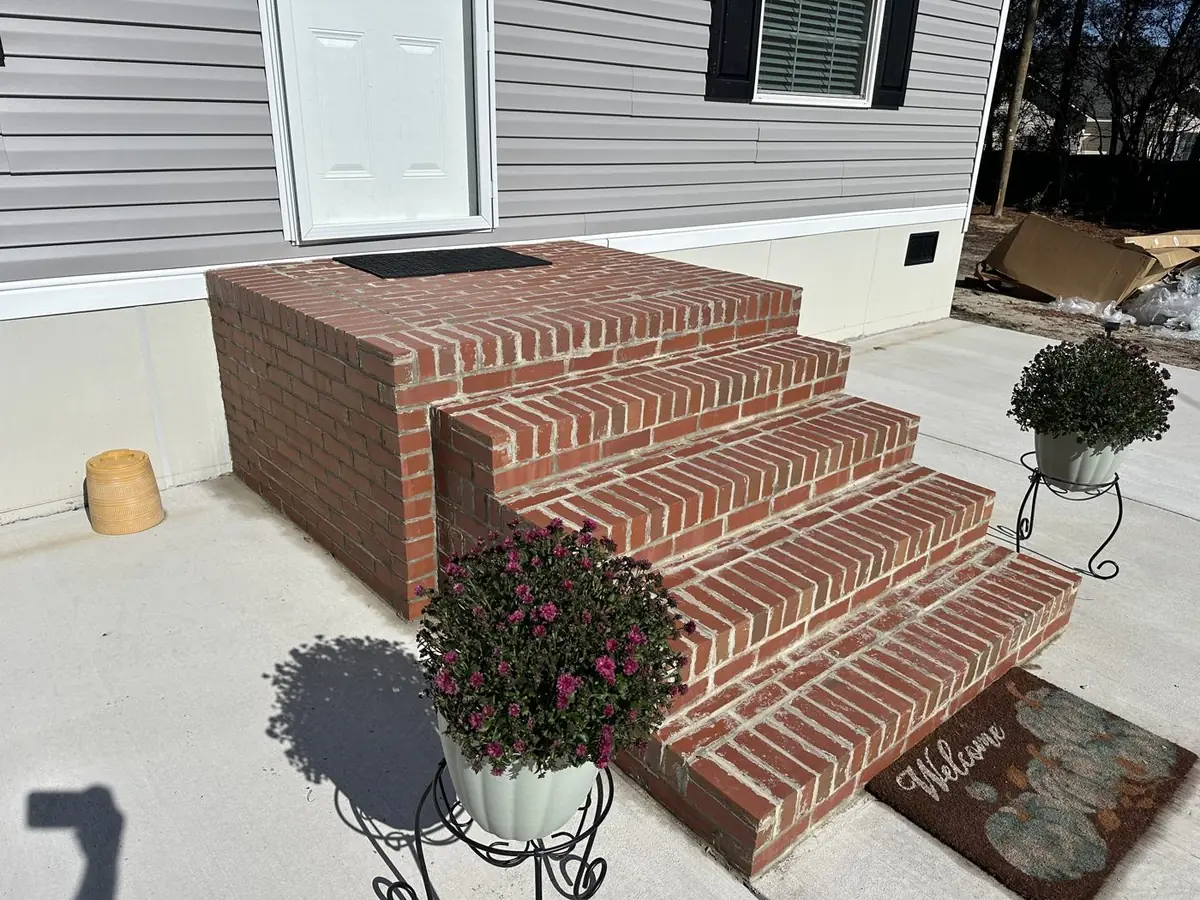
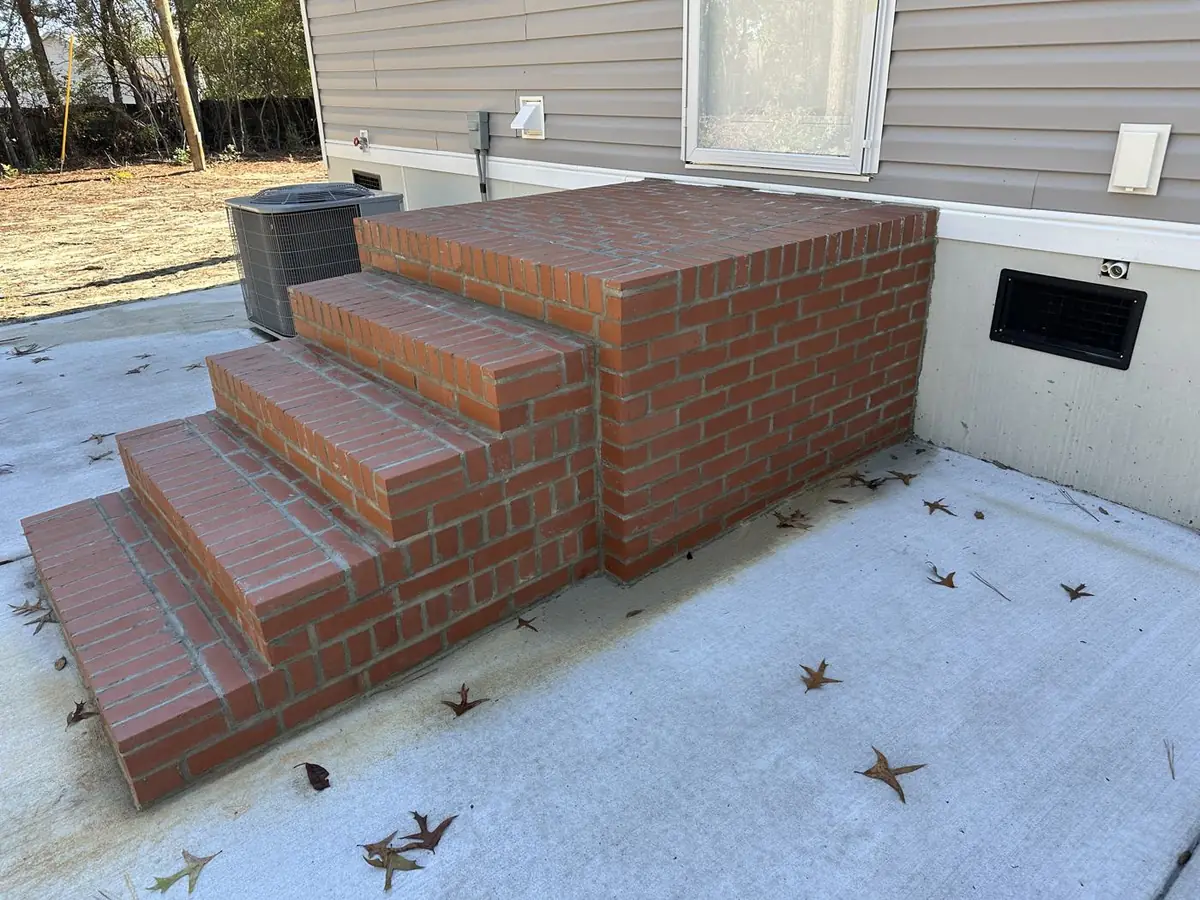
- Brick steps and landings — new builds and replacements for steps that have settled or come apart.
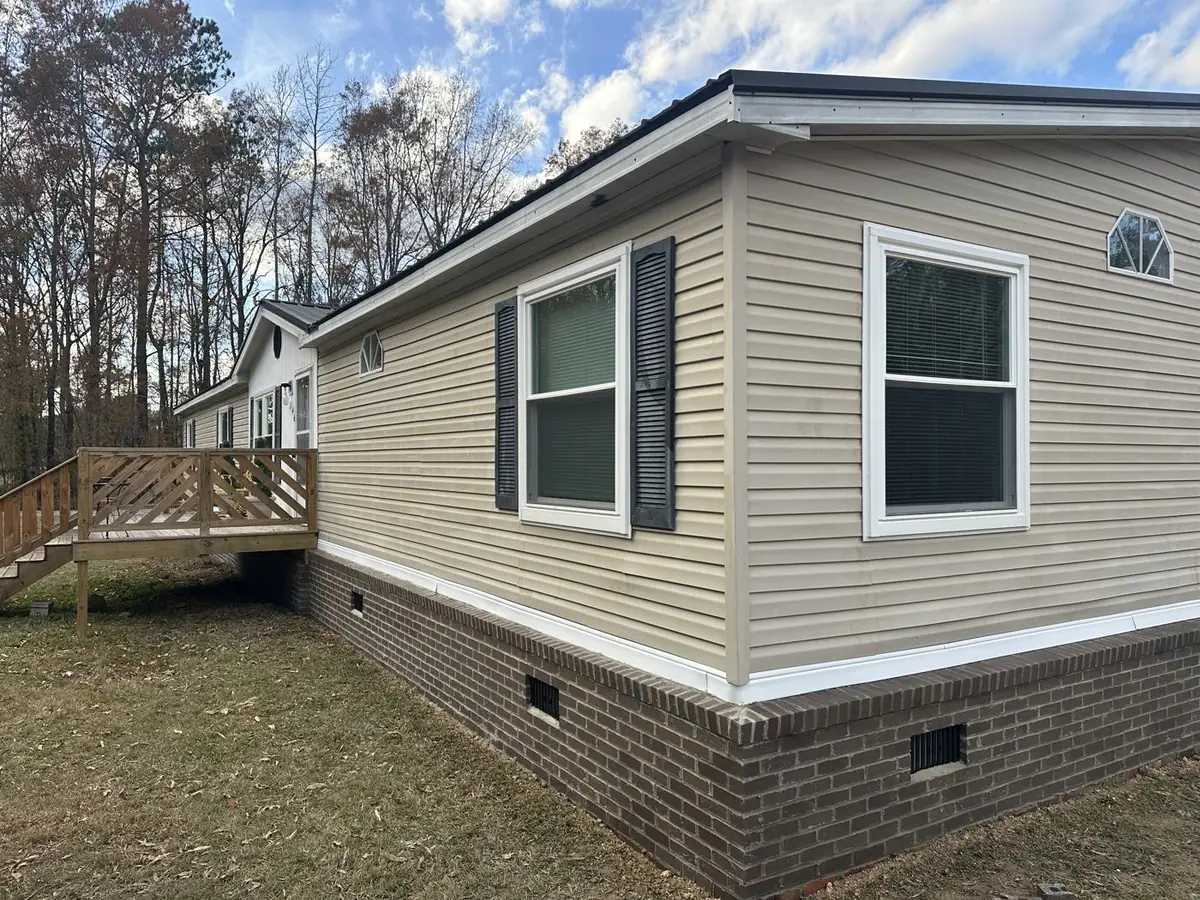
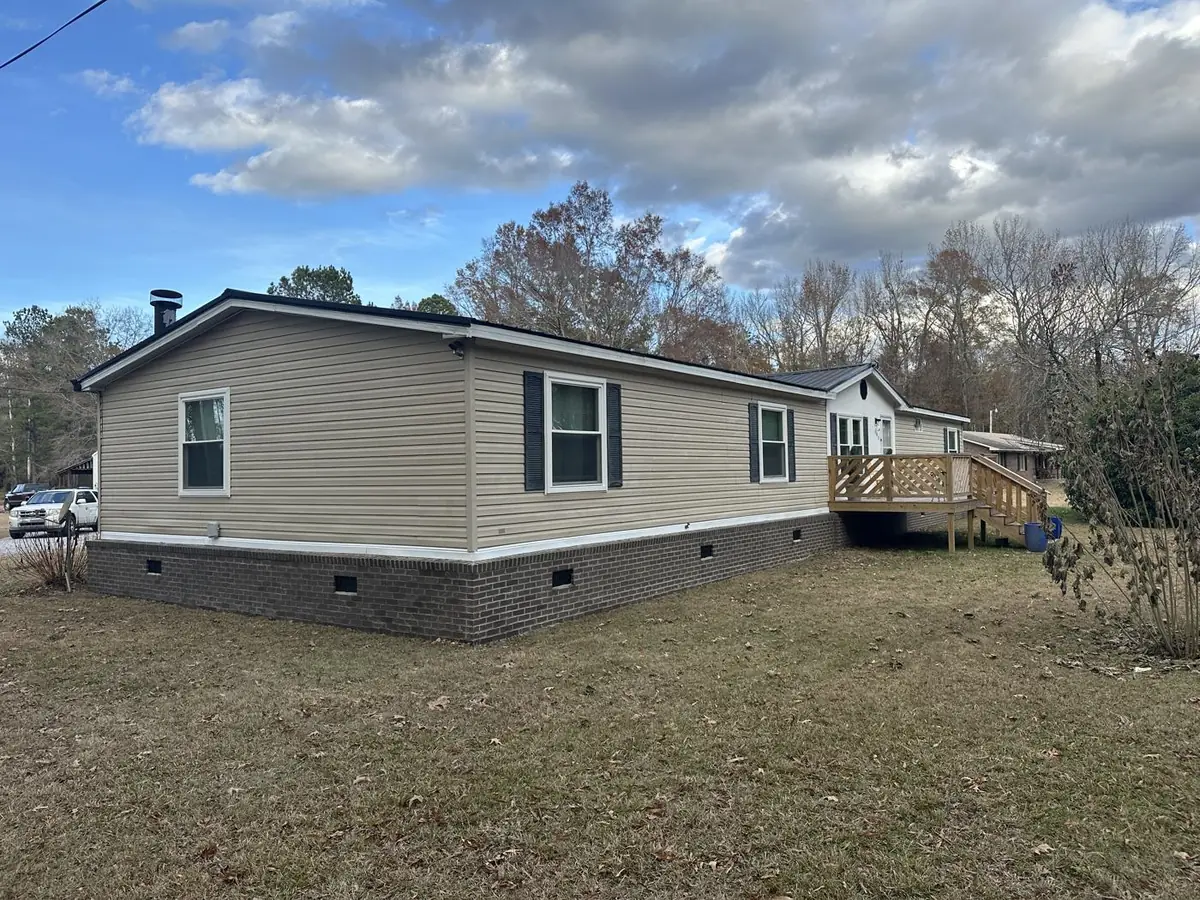
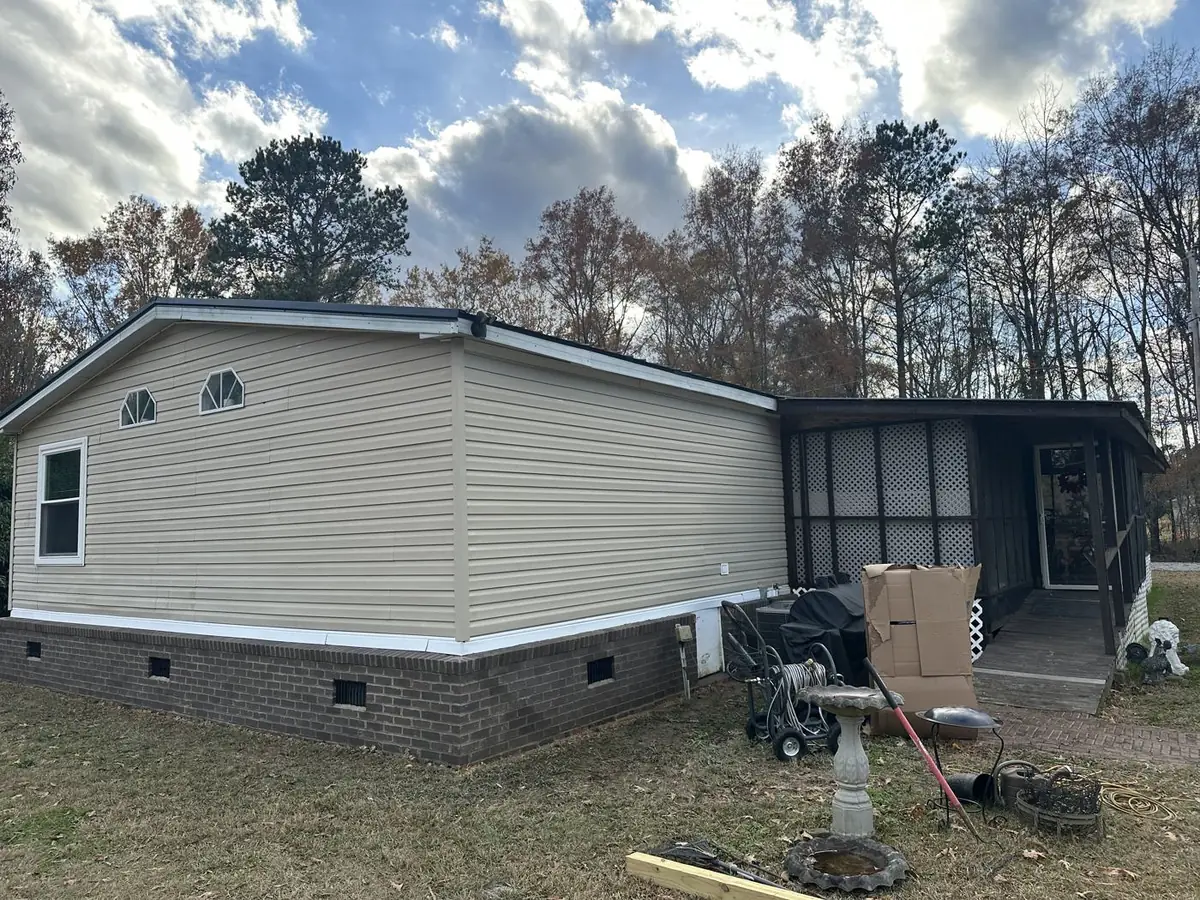
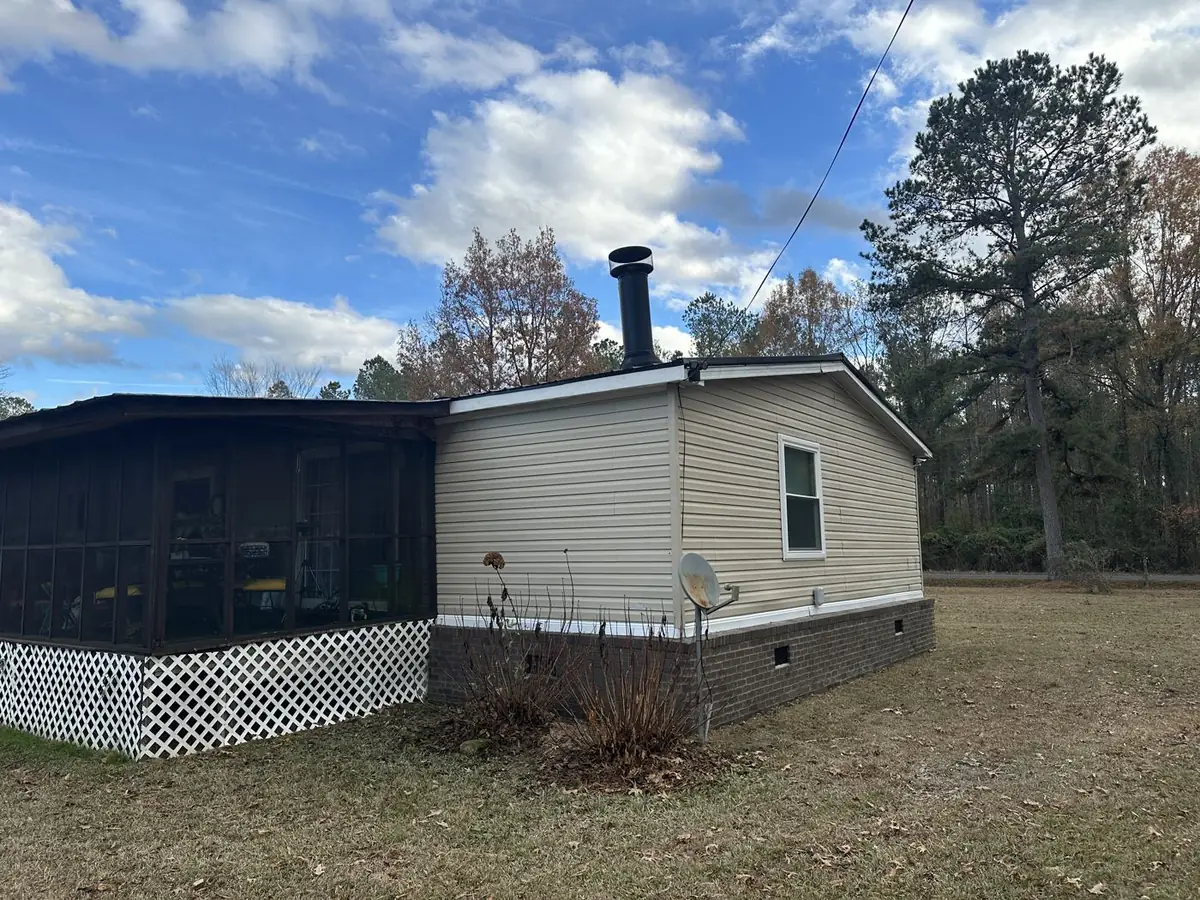
- Skirting and underpinning — closing in a crawl space or the base of a manufactured home so it reads as a permanent structure.
- Chimneys — repair and rebuild of cracked or leaning brick chimneys, crowns and caps, and the flashing where the chimney meets the roof. Because we do roofing too, the flashing gets done right rather than left for somebody else.
- Retaining walls — block and brick walls that hold a grade, built with the drainage behind them that decides whether they stay put.
- Piers and foundation work — support piers, block work and repairs.
- Repointing — cutting out failed mortar and replacing it, which is what most old brickwork actually needs.
- Repairs — cracked or bulging brick, failed lintels, and damage from settlement or water.
Mortar, and why the wrong one destroys old brick
This is the thing most often got wrong on older houses.
Mortar is meant to be softer than the brick around it. It is the sacrificial part — it takes the movement and the moisture so the brick does not have to. Repoint a soft old brick with a hard modern mortar and the movement has nowhere to go except through the brick faces, which spall and crumble. You end up replacing brick that would have lasted another century.
So mortar gets matched to the brick it is going against, not to whatever is on the truck.
Water is what kills brickwork
Brick and block do not fail on their own. They fail where water gets in and does not get out.
Failed flashing above an opening, a downspout emptying against a wall, ground built up above the damp course, or blocked weep holes — those are the causes, and rebuilding the brick without fixing them just resets the clock. We work across roofing, gutters and masonry, which means when the cause is a gutter we can say so and deal with it rather than pointing you at somebody else.
Our warranty
A written warranty on every project
Every job we do comes with its own written warranty, set by the scope of the work and the materials that go into it, and you see it before any work starts — not after. It says what is covered, for how long, and what to do if something is wrong.
That is on top of whatever the manufacturer warrants on the product itself. Ask the next contractor you talk to for theirs in writing.
We live here
Precision Palmetto is based in Columbia. Our license is South Carolina, our number is an 803 number, and when you call it in three years somebody will answer. If we get something wrong, we are still here to put it right — which is a stronger guarantee than anything we could print on this page.
Our masonry work in the Midlands
See work from all six trades →
Common questions
Is your work warrantied?
Yes. Every project comes with a written warranty based on its scope and materials, and you get it before work starts. Manufacturer warranties on the products themselves are separate and passed on to you.
How much does brickwork cost?
Masonry is priced by the work rather than by the foot — a set of steps, a run of skirting and a repointing job are not comparable. We look at it and quote in writing.
Can you match my existing brick?
Usually close, sometimes exactly. Brick color and size have changed over the decades and an exact match on an older house is not always available. We will show you what we can get before starting so there are no surprises.
My mortar is crumbling — does the whole wall need rebuilding?
Almost never. Crumbling mortar with sound brick is a repointing job: the failed mortar is cut out and replaced with mortar matched to the brick. Rebuilding is for brick that has actually failed or moved.
Do you do foundation and crawl space work?
Piers, block work and skirting, yes. Structural engineering and underpinning a settling foundation is a different discipline and we will tell you when you need an engineer rather than a mason.
My chimney is leaning or losing bricks — can it be repaired?
Often, yes. A chimney shedding mortar or brick above the roofline is usually a rebuild of the top courses and a new crown, not the whole stack. A chimney that is leaning from the base is a different conversation and may need an engineer. We look at it and tell you which one you have.
Do you build retaining walls?
Yes — block and brick. The wall is the visible part; the gravel and drain behind it are what keep it from bowing out after a wet winter, and that is where the cost that matters goes.
Are you licensed for masonry in South Carolina?
Yes — South Carolina Residential Specialty Contractor Registration RBS 67429 covers masonry. That number is public and verifiable on the SC Labor, Licensing and Regulation site.
Recent masonry projects
- Brick Skirting Upgrade — Gadsden, SC
- New Brick Steps and Landing — Lexington, SC
Want a straight number?
We will come out, look at the job properly, and put a price in writing — including if the answer is that it does not need doing yet.
Call (803) 258-0842Or leave your details and we will call you:
Free, no obligation. We never sell your information.
Also from us: Roofing · Siding · Gutters · Concrete · Fencing
Serving Columbia, Lexington, Irmo, West Columbia, Cayce, Forest Acres, Blythewood, Chapin, Elgin and the surrounding Midlands. We take work elsewhere in South Carolina by arrangement — call and ask.